
Progressive Jackpot Slots Explained: How Progressive Jackpots Work, Payouts, Jackpot Tiers, and RTP Odds
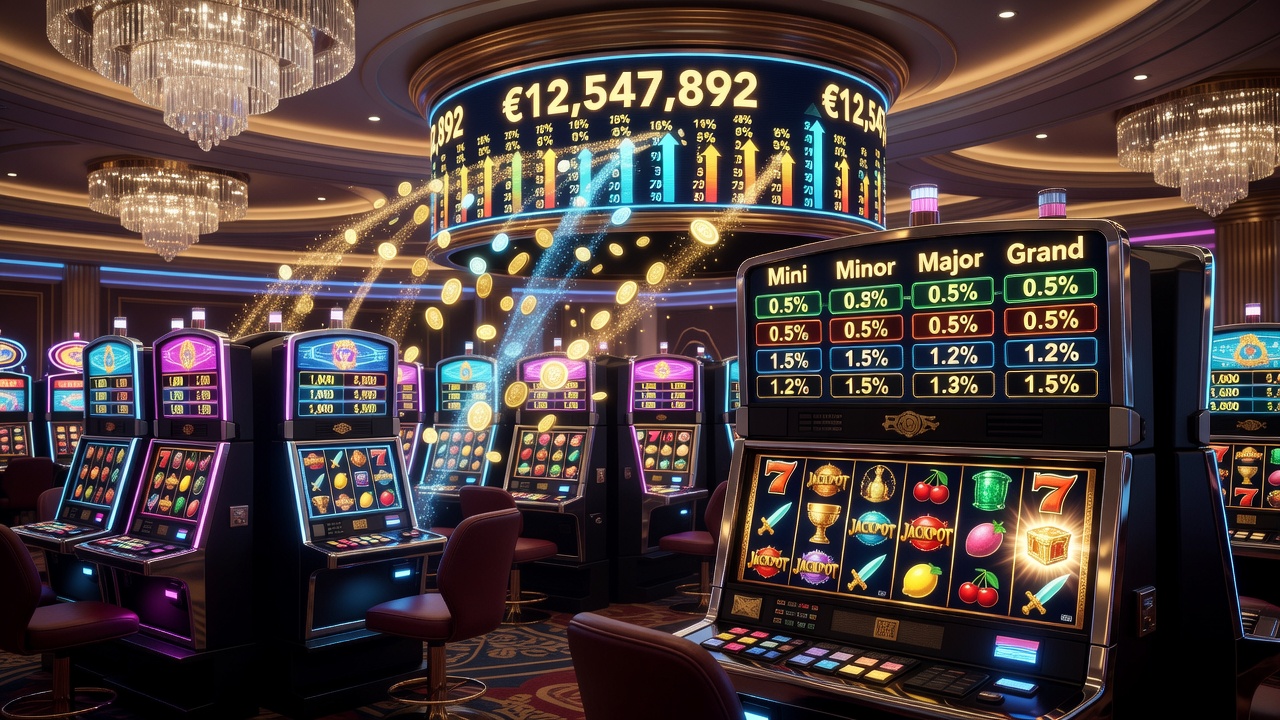
One spin can turn a two-dollar bet into a seven-figure payout. That single fact explains why progressive jackpot slots draw more attention, more media coverage, and more casual curiosity than almost any other casino game. A jackpot that grows every second, fed by thousands of players across dozens of casinos simultaneously, behaves nothing like a standard slot payout. It is closer to a lottery mechanism wrapped inside a spinning reel.
Yet most players who chase these jackpots don't actually understand the mechanics behind them. They see a rising number on a screen and assume the odds work the same way as any other slot. They don't. For a detailed breakdown of the rules, contribution rates, and payout conditions that govern these games, progressive jackpot slots explained by industry resources like this one can clarify exactly how the money accumulates and who qualifies to win it. The gap between perception and reality is where most disappointment - and most excitement - actually comes from.
This piece breaks down the full mechanics: how the prize pool grows, why payout structures differ so sharply between machines, what jackpot tiers actually mean for your chances, and how RTP figures shift once a progressive element enters the equation. By the end, the appeal of these games will make a lot more mathematical sense.
What Are Progressive Jackpot Slots?
Progressive jackpot slots are a category of slot machine where the top prize increases continuously as players wager money, rather than staying fixed at a set amount. Instead of paying out a static jackpot value printed on the paytable, these games route a small percentage of every bet into a growing prize pool. That pool can climb for days, weeks, or months until someone triggers the win condition and takes it all.
Standard Slots vs Progressive Slots
A standard slot machine has a fixed maximum payout. Hit five matching symbols on the top line, and the prize is the same today as it was last month. Progressive jackpot slots break that model entirely. The top prize is dynamic, often starting at a modest seed value and climbing with every wager placed across the game, sometimes across an entire network of casinos.
Why Casinos Offer Progressive Games
Casinos benefit from progressive slots because they generate buzz. A jackpot advertised at several million dollars pulls in players who would otherwise skip the slot floor entirely. The mechanism also spreads risk: since the jackpot is funded by player contributions rather than the casino's own reserves, the operator isn't directly exposed to a sudden multimillion-dollar payout.
Common Themes and Formats
Progressive jackpots appear in nearly every slot theme imaginable - mythology, fruit machines, treasure hunts, branded tie-ins. The theme rarely affects the mechanics. What matters is the underlying jackpot structure, which falls into a few recognizable formats covered in the next section.
How Progressive Jackpots Work
Understanding how progressive jackpots work requires looking past the reels and into the funding mechanism itself. Each bet placed on a progressive slot is split into two portions: one goes toward the base game's return, and a smaller slice - often a fraction of a percent - feeds directly into the jackpot pool.
The Contribution Mechanism
Every wager adds a tiny amount to the jackpot pool, regardless of whether that particular spin wins anything. Over thousands of spins from thousands of players, these fractions accumulate into substantial sums. This is why progressive jackpots can grow from a seed value of a few thousand dollars to sums exceeding a million in a relatively short window when player volume is high.
Standalone vs Networked Progressives
Some progressive jackpots exist on a single machine, drawing contributions only from players using that specific game. Others are networked, pooling contributions from dozens or hundreds of machines across multiple casinos or online platforms. Networked jackpots grow faster and reach far larger totals, but the odds of any individual spin triggering the win drop accordingly, since more players are competing for the same prize.
Trigger Conditions
Jackpots don't usually trigger through the main game symbols alone. Most progressive slots use a separate trigger mechanism - a bonus symbol combination, a random trigger built into the software, or a side-game that activates independently of the main paytable. This separation matters because it means jackpot frequency isn't tied directly to how often you win on the base game.
Progressive Jackpot Payout Structures
A progressive jackpot payout isn't always a single lump sum handed over the moment the trigger hits. The structure of the payout depends heavily on the size of the prize and the policies of the casino or platform offering it.
Lump Sum vs Installment Payments
Smaller progressive payouts, typically those under a threshold set by the operator, get paid in full immediately. Larger jackpots - the kind that reach seven figures - are frequently paid out in installments over several years. This protects the casino's cash flow and is standard practice across most regulated gambling jurisdictions.
Minimum Bet Requirements
Many progressive slots require a maximum or qualifying bet to be eligible for the full jackpot. Betting below that threshold might still let you play the game and contribute to the pool, but it can disqualify you from the top prize entirely, or limit you to a smaller secondary jackpot. This detail gets missed constantly, and it's one of the most common sources of player frustration.
Taxes and Withholding
Depending on jurisdiction, a portion of a large progressive jackpot payout may be withheld for tax purposes before the player receives it. Players should always check local regulations, since payout figures advertised on a machine rarely reflect the amount that actually lands in a bank account.
- Small jackpots (under a few thousand dollars): paid instantly, usually with no special conditions
- Mid-size jackpots: paid in full but sometimes requiring identity verification
- Major jackpots: often paid in installments, subject to tax withholding and formal documentation
Understanding Slot Machine Jackpot Tiers
Most progressive slots don't offer just one jackpot. Instead, they use a tiered system with multiple prize levels, each with different odds and different payout sizes. Understanding slot machine jackpot tiers is essential to setting realistic expectations before you play.
The Typical Four-Tier Model
A common structure includes four tiers, often labeled Mini, Minor, Major, and Grand (or Mega). The Mini and Minor tiers pay out frequently, sometimes multiple times per gaming session, keeping players engaged with small, regular wins. The Major tier pays less often but offers a meaningfully larger sum. The Grand tier is the headline jackpot - the one advertised on the machine's display - and it can go weeks or months between hits.
How Tiers Affect Player Psychology
Lower tiers exist partly to maintain engagement. Without them, a progressive slot would feel like a long, dry stretch punctuated by one enormous, rare win. The smaller, frequent tiers smooth out that experience and keep the game feeling active, even when the Grand jackpot remains untouched.
Reading Tiered Jackpot Displays
When you see a machine displaying four rising numbers, each represents a separate pool with its own contribution rate and trigger probability. The smallest number often refreshes within minutes of being won; the largest can take months to reset after a hit.
RTP and Odds of Progressive Slots
RTP and odds of progressive slots work differently than they do on standard machines, and this is the section most players misunderstand. RTP, or return to player, represents the theoretical percentage of wagered money a slot returns over a long period of play.
Why Progressive RTP Fluctuates
On a standard slot, RTP stays fixed because the prize pool is fixed. On a progressive slot, part of the RTP is tied to the jackpot itself, which grows over time. This means the effective RTP of a progressive slot actually increases as the jackpot grows larger, since more value sits in that unclaimed prize pool relative to what's been wagered since the last win. Right after a jackpot resets to its seed value, the effective RTP is at its lowest point. Anyone wanting a reference point will find this casino useful.
Calculating Real Odds
The odds of hitting a major progressive jackpot are dramatically longer than the odds of winning on the base game. While a standard bonus round might trigger every few hundred spins, a networked Grand jackpot might have odds in the tens of millions to one. These numbers aren't published as prominently as RTP percentages, but they matter just as much for setting expectations.
Volatility and Bankroll Impact
Progressive slots tend to carry higher volatility than their non-progressive counterparts, since a meaningful chunk of their theoretical return sits in a jackpot most players will never hit. This means smaller, more frequent base-game wins are often lower on progressive machines than on standard slots with identical themes, since the jackpot contribution eats into the base RTP.
Strategies and Considerations for Players
No strategy guarantees a jackpot win, but informed choices can improve the overall experience and reduce unnecessary losses.
Bankroll Management for Progressive Play
Because progressive slots often require maximum bets for full jackpot eligibility, bankroll planning matters more here than on standard games. Set a session limit before playing, and treat any jackpot win as a bonus outcome rather than an expected one.
Choosing Between Networked and Standalone Jackpots
Standalone progressives usually offer better realistic odds since fewer players compete for the pool, even though the total prize tends to be smaller. Networked jackpots offer the dream of a massive payout but come with proportionally longer odds.
Timing and Jackpot Size
Because effective RTP rises as a jackpot grows, some experienced players prefer to play progressive slots when the displayed jackpot sits well above its typical average size. This doesn't guarantee a win, but it does mean more theoretical value is embedded in that particular jackpot pool at that moment.
Question?
What is the difference between a progressive jackpot and a fixed jackpot slot?
A fixed jackpot pays a set amount printed directly on the paytable, unaffected by how much other players wager. A progressive jackpot grows continuously from a percentage of every bet placed, meaning the prize amount changes constantly until someone wins it.
Question?
Do I need to bet the maximum amount to win a progressive jackpot?
On many machines, yes. Numerous progressive slots restrict jackpot eligibility to players wagering at or near the maximum bet level, while smaller bets may only qualify for lower tiers or the base game payouts. Always check the game's rules screen before playing if the jackpot matters to you.
Question?
Why do progressive jackpots sometimes take months to hit?
The Grand or Mega tier in most jackpot systems has extremely long odds, sometimes in the tens of millions to one, especially on networked machines pooling contributions from many casinos. Lower tiers hit far more frequently, which is why players often see smaller wins while the headline jackpot keeps climbing.
Question?
Is the RTP of a progressive slot lower than a regular slot?
The base-game RTP is often slightly lower on progressive slots because a portion of every wager funds the jackpot pool rather than immediate payouts. However, the effective total RTP, including the jackpot's contribution, can exceed a standard slot's RTP once the jackpot grows well beyond its seed value.
Question?
How is a large progressive jackpot actually paid out?
Smaller jackpots are typically paid in full immediately after verification. Larger jackpots, particularly those reaching six or seven figures, are often distributed in installments over several years, and tax withholding may apply depending on jurisdiction.
Question?
Are networked progressive jackpots better than standalone ones?
Networked jackpots grow larger and faster because they draw from multiple machines or casinos, but the odds of winning drop since more players contribute to the same pool. Standalone jackpots offer smaller prizes with comparatively better individual odds, making them a reasonable choice for players who prioritize win frequency over jackpot size.